


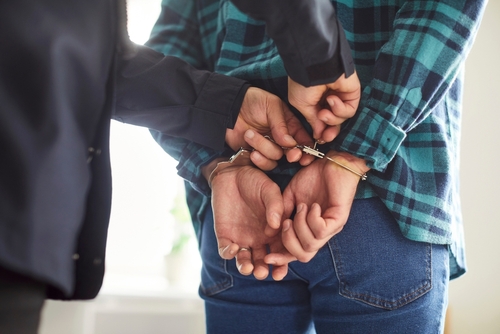
An accusation of domestic violence (domestic battery or domestic disorderly conduct) can turn your life upside down in a matter of minutes. In Wisconsin, law enforcement officers are often bound by mandatory arrest policies, meaning that if they are called to a domestic disturbance and see even minor evidence of physical harm, someone is going to jail—regardless of whether the other person wants to “press charges.”
If you have been accused or arrested for domestic battery in Dane County, what you do in the following hours will determine the trajectory of your case. Here is your step-by-step guide to protecting your rights.
1. Respect the 72-Hour “No Contact” Rule
Under Wisconsin Statute § 968.075, an arrest for a domestic abuse incident triggers a mandatory 72-hour no-contact period.
- What it means: You cannot go to the alleged victim’s residence or contact them in any way (including through third parties, social media, or “checking in”).
- The Risk: Violating this order is a separate criminal offense that can lead to up to 9 months in jail and a $10,000 fine—even if the original battery charge is eventually dismissed.
2. Exercise Your Right to Remain Silent
It is a natural instinct to want to “explain your side” to the police, especially if the accusation is false or the situation was an act of self-defense. However, in the eyes of the prosecution, your explanation is often treated as a confession or a series of inconsistent statements.
Note: Politely but firmly state: “I am exercising my right to remain silent and I would like to speak with my attorney before making any statements.”
3. Do Not Attempt to “Fix” Things with the Accuser
Emotions run high after an arrest. You may want to apologize, explain, or beg for the charges to be dropped. Do not do this. * If you contact the accuser, the prosecution may use it as evidence of witness intimidation.
- In Wisconsin, the District Attorney—not the victim—decides whether to move forward with charges. Even if the other person changes their mind, the case will not automatically disappear.
4. Secure Evidence While It Is Fresh
While you must stay away from the other party, you should immediately document anything that supports your defense:
- Photos: Take pictures of any injuries you sustained (scratches, bruises, or torn clothing) which may support a self-defense claim.
- Digital Trail: Save text messages, voicemails, or Ring camera footage that provides context to the incident.
- Witnesses: Make a list of anyone who saw the argument or knows the history of the relationship.
5. Contact an Experienced Madison Domestic Battery Lawyer
Domestic battery is a criminal charge that can result in a permanent loss of firearm rights, child custody complications, and jail time.
At Coad Law Office, we have spent over 20 years defending clients in Madison and throughout Dane County and Wisconsin against domestic violence allegations. We understand the nuances of Wisconsin’s “Domestic Abuse Enhancer” and how to challenge the state’s evidence to get charges reduced or dismissed.
Defending Your Future
Whether the incident was a misunderstanding, an accident, or an act of self-defense, you deserve an attorney who knows the Dane County court system. Don’t wait until your initial appearance to build your defense.
Facing charges? Contact Rick Coad today for a free, confidential consultation. Call us or have your family member call Coad Law Office to help you out. Rick Coad has been named by Super Lawyers as one of Madison’s best criminal defense lawyers for almost two decades. He will ensure you get your best result Give him a call: (608) 661-8080.